Finding true stillness in meditation is nearly impossible when your body is actively fighting against physical discomfort. Whether it is a dull ache in your lower back, numb legs, or the exhausting effort to maintain an upright spine, physical strain quickly distracts from mental clarity. The secret to transforming your practice isn't just rigorous discipline—it is choosing a meditation seat tailored specifically to your body structure, flexibility, and Ayurvedic constitution.
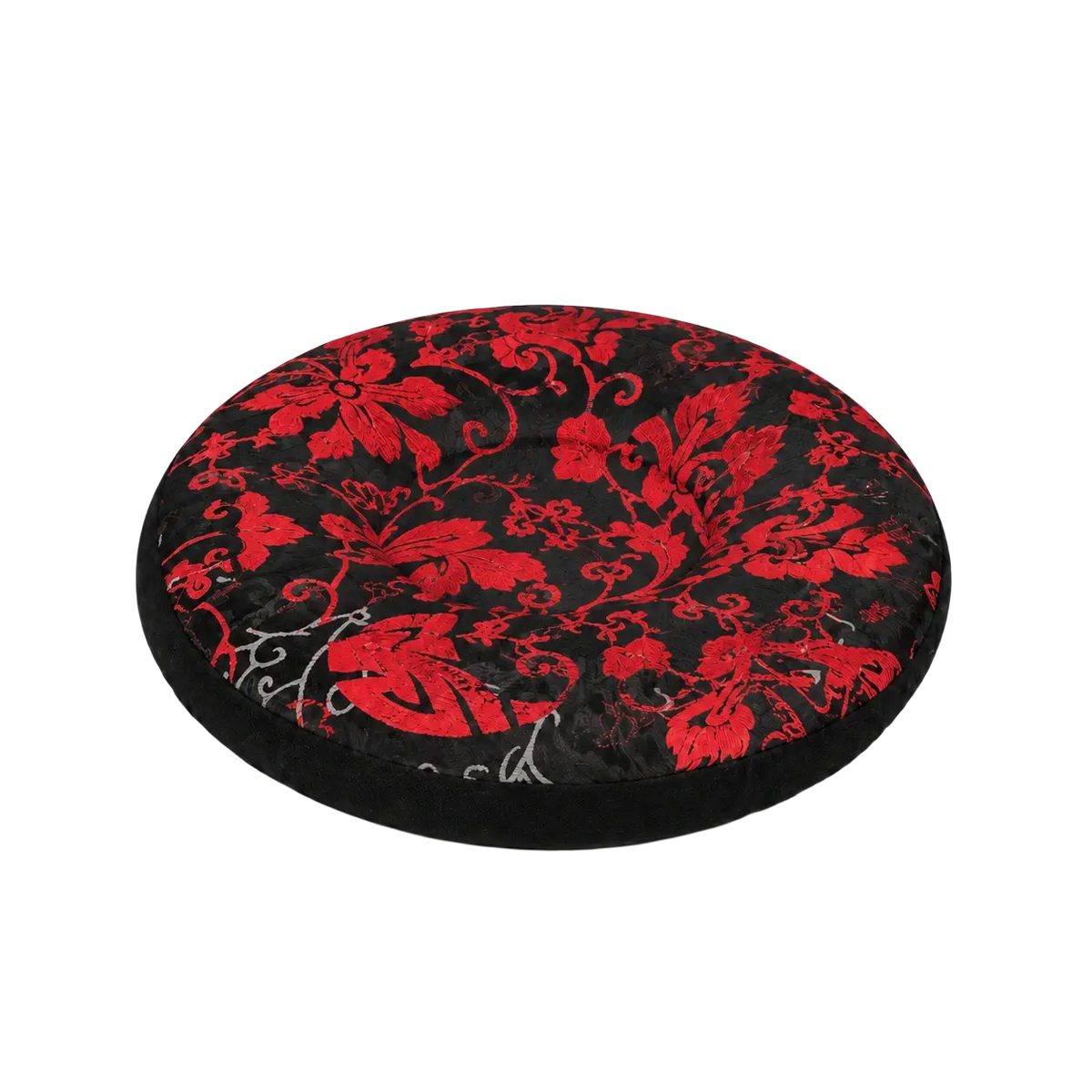
For centuries, the classic Meditationskissen (meditation cushion) has served as the traditional choice for practitioners seeking grounded hip elevation and active hip opening. However, modern ergonomic solutions like the MANDIR Bodenstuhl Meditationsstuhl Backjack have revolutionized floor sitting by offering vital back support, lumbar relief, and sustained relaxation during extended sessions. But which seating style will truly elevate your daily ritual?
In this comprehensive guide, we bridge ancient Ayurvedic wisdom with modern physical ergonomics to help you discover your ultimate seat. We will compare the classic cushion against the dynamic Meditationsstuhl, examining crucial factors like spine alignment, pressure distribution, and long-session stability. Furthermore, you will learn how your dominant Dosha—Vata, Pitta, or Kapha—dictates your ideal physical support system. By aligning your unique body type with the right seat, you can eliminate pain, protect your joints, and turn every meditation into a deeply restorative experience.
Key Benefits and Features
Selecting the ideal meditation seat is a foundational step in establishing a sustainable, pain-free mindfulness practice tailored to your unique Ayurvedic constitution (Dosha). Whether you require rigid spinal support or dynamic pelvic alignment, comparing a structured floor chair to a classic cushion reveals distinct physical and energetic benefits for your daily routine.
-
Ergonomic Spinal Support with the MANDIR Bodenstuhl: The MANDIR Bodenstuhl Meditationsstuhl Backjack delivers exceptional lumbar support through an integrated frame and dense cushioning. This sturdy Meditationsstuhl alleviates tension in the lower back, neck, and shoulders, making it particularly beneficial for Vata constitutions who often experience physical restlessness, joint stiffness, or back fatigue. The supportive backrest allows you to sit comfortably for extended periods without slouching or straining your core muscles.
-
Pelvic Elevation and Dynamic Alignment via the Meditationskissen: A traditional Meditationskissen elevates your hips above your knees, creating a natural forward tilt of the pelvis. This posture maintains the natural S-curve of your spine, opens the hip flexors, and promotes unrestricted diaphragmatic breathing. It is an excellent choice for flexible practitioners or Pitta and Kapha types who thrive on active, self-supported postures that build core strength and alertness.
-
Dosha-Specific Postural Harmony: Different body types require unique seating solutions to balance their subtle energies. Utilizing a supportive Meditationsstuhl provides a grounding, secure foundation that effectively calms an overactive nervous system. On the other hand, the firm elevation of a Meditationskissen encourages engaged posture and physical vitality, preventing the lethargy sometimes felt during quiet contemplation.
-
Multipurpose Floor Sitting and Portability: Modern floor chairs like the MANDIR Bodenstuhl Meditationsstuhl Backjack offer remarkable versatility. Beyond formal meditation, these seats serve as ergonomic solutions for pranayama practice, floor-based reading, or sound healing sessions. Their lightweight, easily transportable construction allows you to maintain a consistent practice whether at home or attending a yoga retreat.
-
Durable, Premium Materials for Long-Term Practice: High-grade meditation seats are built to last, featuring heavy-duty cotton covers and robust internal structures or natural fillings such as organic buckwheat hulls. Removable, washable covers ensure hygiene and ease of care, providing consistent ergonomic support as your meditation journey deepens.
Step-by-Step Guide
Finding the right posture is essential for a deep, uninterrupted mindfulness practice. Follow these four actionable steps to determine whether a traditional Meditationskissen or a supportive floor seat best aligns with your unique Ayurvedic constitution.
Step 1: Identify Your Primary Dosha and Physical Needs
Start by evaluating your body's physical tendencies during quiet sitting:
- Vata: Prone to joint dryness, quick fatigue, and lower back tension. Requires ergonomic back support and grounding stability.
- Pitta: Seeking strong alignment and muscular tension relief, particularly in the shoulders and mid-back.
- Kapha: Tends toward sluggishness. Needs an open, upright posture that encourages alertness without inducing sleepiness.
Step 2: Test a Traditional Meditationskissen
If you have high hip flexibility and strong core stability (often characteristic of flexible Pitta or grounded Kapha types), a classic meditation cushion is a strong candidate.
- Sit on the front edge of the cushion to allow your pelvis to tilt slightly forward.
- Ensure your knees rest lower than your hips to maintain the natural S-curve of your spine.
- Observe your posture after 10 minutes. If your lower back rounds or your legs fall asleep quickly, a simple cushion may not offer enough structural support.
Step 3: Experience the MANDIR Bodenstuhl Meditationsstuhl Backjack
For Vata types, practitioners recovering from injuries, or anyone seeking longer, pain-free sitting sessions, test a back-supported floor chair.
- Set up the MANDIR Bodenstuhl Meditationsstuhl Backjack on a flat, comfortable surface.
- Sit fully back into the seat, letting the durable backrest support your lumbar spine.
- Cross your legs in a comfortable Sukhasana (Easy Pose).
- Notice how this specialized Meditationsstuhl eliminates lower back strain, allowing your mind to focus entirely on the breath rather than physical discomfort.
Step 4: Fine-Tune Your Meditation Space
Once you have selected your ideal seat—whether a flexible cushion or a Meditationsstuhl—optimize your alignment for consistent daily practice:
- Add a folded blanket under your ankles to cushion sensitive joints against the floor.
- Keep your spine comfortably elongated, shoulders relaxed, and chin slightly tucked.
- Re-evaluate your comfort periodically; as your flexibility and energy levels shift, your body may prefer alternating between a cushion and a back-supported chair.
Best Practices and Pro Tips
Optimizing your meditation practice according to your Ayurvedic constitution requires more than just picking between a back-supported floor chair and a traditional cushion—it demands correct usage, ergonomic alignment, and mindful habits. Whether you balance your energetic Dosha using a grounded floor seat or an elevated cushion, apply these actionable pro tips and avoid frequent mistakes to deepen your daily sitting routine.
Actionable Tips for Optimal Alignment
- Tailor Ergonomics to Your Dosha Needs: If you possess a Vata constitution prone to fidgeting and lower back fatigue, or a Pitta profile seeking physical ease to quiet an intense mind, a MANDIR Bodenstuhl Meditationsstuhl Backjack offers ideal lumbar stability. Sit deeply into the base of the chair so the backrest gently supports your upright spine without allowing your posture to collapse.
- Master the Hip-to-Knee Ratio: When using a classic Meditationskissen, ensure your hips remain elevated two to four inches above your knees. This subtle tilt opens your hip flexors, tilts your pelvis slightly forward, and maintains the natural lumbar curve, preventing energy blockages that can aggravate Vata or Kapha imbalances.
- Layer for Extra Grounding: Enhance any Meditationsstuhl or cushion setup by placing a Zabuton mat or a folded wool blanket beneath your ankles and knees. Securing soft, solid contact points with the floor grounds excess mental energy and creates a stable foundation for long sessions.
Pitfalls and Common Mistakes to Avoid
- The "Lounge Trap" on Backed Chairs: While a sturdy Meditationsstuhl like the MANDIR Bodenstuhl Meditationsstuhl Backjack aids upright alignment, it should never turn into a lounge chair. Avoid slouching backward or completely disengaging your core, as passive resting invites lethargy and mental dullness—a quick way to trigger heavy, stagnant Kapha energy during meditation.
- Ignoring Joint Strain for Tradition: Forcing yourself onto a low Meditationskissen when your hips are tight cuts off circulation, compresses nerves, and creates unnecessary physical resistance. If leg numbness or knee pain occurs within minutes, transition to a higher cushion or a back-supported floor seat. Pain disrupts the flow of prana (life force) and hinders inner stillness.
- Rigidity in Your Seating Choice: Your Dosha balance fluctuates with stress, weather, and daily energy levels. Do not lock yourself into one permanent seating style. Utilize your MANDIR Bodenstuhl Meditationsstuhl Backjack on days requiring extra spinal relief, and return to an unassisted Meditationskissen when your core feels energized and your body craves active posture.
Conclusion
Finding the right seat for your mindfulness journey isn't just about physical comfort—it's about honoring your unique Ayurvedic constitution. Whether you are a Vata type seeking stability and back relief, a Pitta aiming for cool, balanced focus, or a Kapha desiring grounded energy, your ideal posture starts from the ground up.
While a classic Meditationskissen offers timeless support for open hips and an active posture, it can sometimes leave Vata types yearning for lumbar relief during longer sessions. This is where an ergonomic Meditationsstuhl like the MANDIR Bodenstuhl Meditationsstuhl Backjack excels. By providing crucial back support without sacrificing grounded alignment, this versatile Meditationsstuhl ensures that physical discomfort never distracts you from achieving inner stillness. Meanwhile, combining a flexible Meditationskissen with a supportive floor chair gives dynamic practitioners the best of both worlds.
Ultimately, aligning your seating choice with your dominant Dosha removes the physical friction of pain, allowing your prana to flow freely. Don't let back aches or hip strain stand between you and a profound meditation practice.
Listen to your body, honor your unique Dosha, and upgrade your sacred space today. Take the next step toward a deeper, pain-free practice: invest in a MANDIR Bodenstuhl Meditationsstuhl Backjack or traditional Meditationskissen that aligns with your needs, roll out your mat, and experience the transformative power of effortless, well-supported meditation firsthand!